Virtual OCD & Anxiety Therapy in Alaska
Virtual therapy where evidence-based treatment meets genuine human connection.
A little about me & this practice
Hi, I'm Clair Sportsman, a Licensed Clinical Social Worker. I grew up in England, and the name Tea Time Therapy comes from that — the British ritual of sitting down with a cup of tea to create a moment of calm, safety, and genuine connection. That's exactly the feeling I hope to bring to our work together: unhurried, grounding, and deeply human.
I came to this work because I care deeply about people carrying things that feel too heavy — and too hard — to talk about. The intrusive thoughts you're ashamed of, the worry that never quite quiets down, the memories you can't outrun, the disorientation of a life stage you didn't expect. I want you to know: whatever brought you here, you don't have to carry it alone.
I'm a Licensed Clinical Social Worker in Alaska, and I received my Master of Social Work (MSW) from Durham University in the UK in 2012. Therapy with me is collaborative and always at your pace. My hope is that you leave not just with fewer symptoms, but with a life that genuinely feels like yours again.
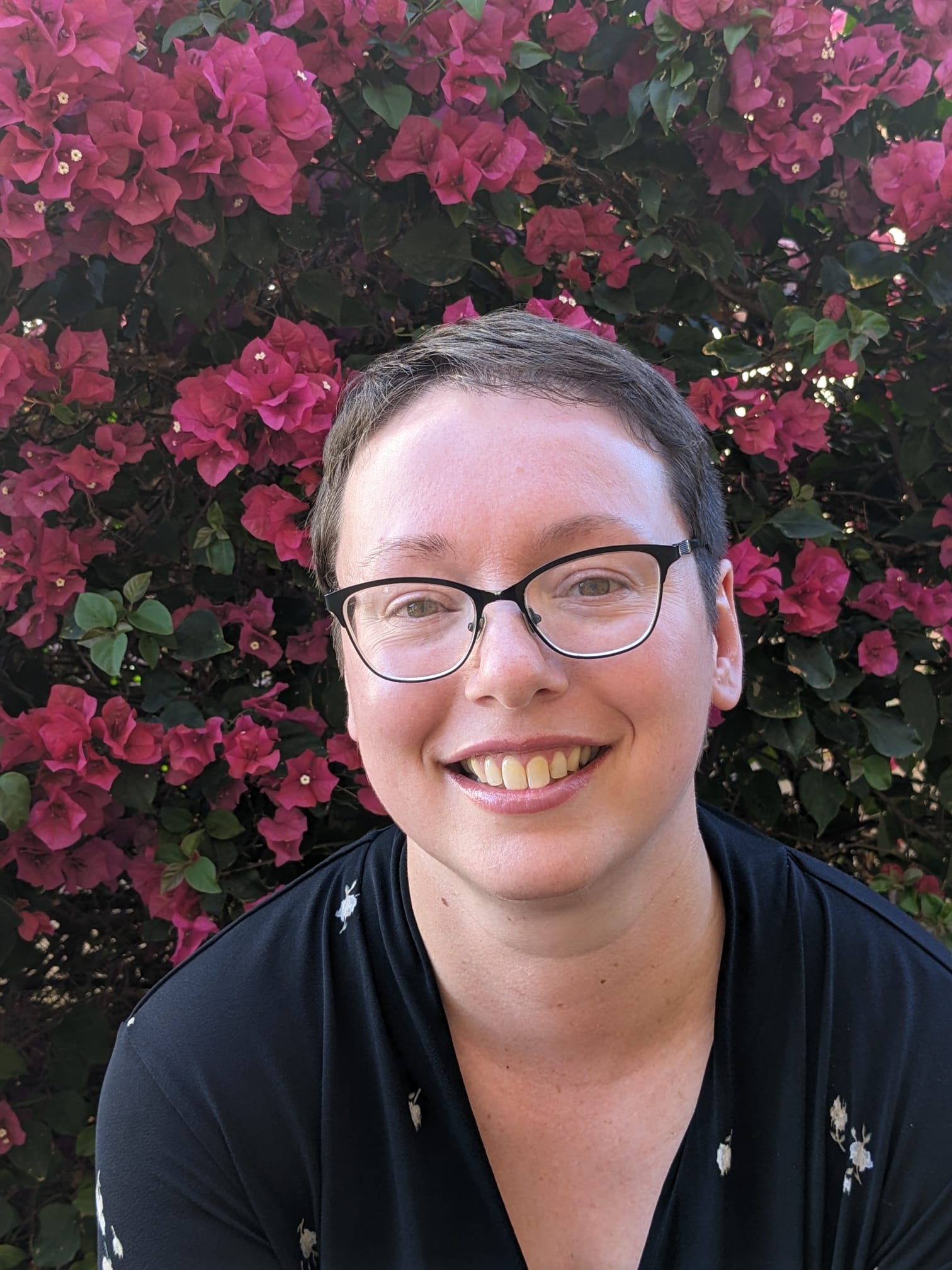
Serving clients across Alaska via secure video sessions.
Areas of Focus
I specialize in treating OCD and anxiety disorders using evidence-based approaches tailored to your unique needs. Alongside this, I support adults navigating trauma, life transitions, new stressors, ADHD, and the challenges that come with aging — including older adults facing retirement, health changes, and loss. If you're unsure whether therapy is the right fit for what you're experiencing, I encourage you to reach out. We can talk about your needs together and determine how I can best support you.
Obsessive Compulsive Disorder
There are so many different subtypes and themes of OCD — harm, contamination, relationship, scrupulosity, somatic, perfectionism, and more. You are not your intrusive thoughts, and you don't have to keep managing this alone.
Learn MoreAnxiety Disorders & Phobias
Persistent worry, panic attacks, and specific fears that have started shaping your choices — from relentless "what if" thinking to a particular fear that's begun to shrink your world. You can learn to relate to fear differently and build a life guided by your values, not your fears.
Learn MoreTrauma
When difficult experiences continue to show up in your daily life, your relationships, and your sense of safety — long after they're over. You deserve to move forward, and with the right support, that's possible.
Learn MoreGeneral Mental Health
The challenges that come with life — overwhelm, life challenges, loss, not feeling your best.
Learn MoreOCD is a mental health condition built around two connected parts: obsessions and compulsions. Obsessions are intrusive, unwanted thoughts, images, or urges that show up uninvited and cause real distress — often about the last thing a person would want to think about. Compulsions are the repetitive behaviors or mental acts — checking, washing, counting, repeating, seeking reassurance, and more — that a person feels driven to do in an attempt to ease that distress or prevent something bad from happening.
OCD is one of the most misunderstood conditions out there. It's not about being tidy, or particular, or "a little OCD." It's a condition where your brain gets stuck in a loop — generating thoughts that feel urgent, threatening, and deeply personal — and then demanding you do something to make the feeling stop. The compulsion brings relief, but only for a moment. And then the loop starts again.
What makes OCD so difficult is that it tends to target exactly what you care about most — your values, your fears, your love for the people in your life — twisting them into a source of doubt and distress.
OCD isn't always visible
A lot of compulsions happen entirely inside someone's head. From the outside, a person might look like they're just sitting there, staring into space, or going about their day — while internally they're repeating a phrase, counting, replaying a memory, or quietly searching for reassurance. These mental compulsions don't look like anything to the people around you, but they can eat up just as much time and energy as visible rituals like handwashing or checking.
What it can actually look like
OCD shows up in far more varied ways than most people realize. The themes differ from person to person, but the underlying pattern — an unwanted thought followed by a desperate attempt to neutralize it — stays the same. A few of the ways it tends to show up:
- Thoughts about harm. A new parent might picture themselves dropping their baby. A careful driver might have a sudden urge to swerve into oncoming traffic. These thoughts are distressing precisely because they're the opposite of what the person actually wants — and people with this kind of OCD are typically the most cautious, careful people you'll ever meet.
- Doubts about a relationship. A constant, nagging questioning of whether you really love your partner, whether they're truly right for you, or whether you've been unfaithful with no memory of it. The doubt feels urgent and real, and it drives endless reassurance-seeking that never quite settles things.
- Doubts about morality or religion. Relentless questions about whether you're a good or bad person, whether you've sinned or done something unforgivable, or whether you truly believe what you're supposed to believe. Scrupulosity, as this is often called, can turn faith and personal values — things that matter deeply — into a source of constant guilt, doubt, and mental "checking."
- An exaggerated sense of responsibility. Checking the locks again and again out of fear a burglar will get in. Replaying a conversation for the hundredth time, terrified you said something hurtful. The checking never quite produces lasting certainty.
- A need for things to feel exact. Arranging objects until they feel right, rereading or rewriting something until it feels complete, doing things in a specific order or number of times. This isn't a preference for tidiness — it's real distress when that "just right" feeling won't come, sometimes called "Just Right" OCD, which over half of people with OCD experience in some form.
- Contamination. Feeling contaminated by germs, illness, chemicals, or even just a feeling you can't quite name. This often includes a specific fear of accidentally contaminating the people or pets you love most — bringing something home to your kids, making a family member sick, or passing something harmful on to an animal in your care — which can drive excessive washing, avoidance, or reassurance-seeking aimed at keeping them safe.
The hidden struggle
So much of OCD happens privately. Mental compulsions — analyzing, praying, counting, mentally reviewing — are invisible to everyone else but can consume hours of someone's day. Many people become quietly skilled at hiding their symptoms, performing rituals in private or disguising them as ordinary habits.
That invisibility breeds isolation. People with OCD often believe no one else thinks the way they do, and they fear that saying it out loud would lead to judgment or rejection. That fear and shame is often exactly what keeps people from reaching out for years — sometimes over a decade, on average.
The toll it takes
OCD is exhausting. The constant effort of managing intrusive thoughts and resisting or performing compulsions leaves little energy for anything else. People often describe feeling mentally drained, struggling to concentrate at work or in relationships, or losing interest in things they used to love — not because they don't care anymore, but because nearly all their resources are tied up in managing OCD.
None of this makes you dangerous, broken, or beyond help. It makes you someone with OCD — and OCD is very, very treatable.
Anxiety shows up in a lot of different forms — and panic and phobias often travel alongside it. Whatever shape it's taking for you, there's a path through it.
Generalized Anxiety
Intense and excessive worry about everyday life — getting in trouble at work, a friend being upset with you, or making a mistake. These feelings interfere with daily activities, are difficult to control, and are out of proportion to the actual danger, and they can last a long time. Common symptoms include relentless "what if" thinking, difficulty being present, muscle tension, disrupted sleep, restlessness, and a deep need to know how things will turn out.
Panic & Agoraphobia
Panic attacks are sudden, intense surges of fear with physical symptoms — racing heart, shortness of breath, dizziness, chest tightness — that can feel life-threatening even when they're not. When the fear of another attack starts driving your decisions — which situations to enter, which to avoid, how far from home feels safe — that's agoraphobia, and it's very treatable.
Specific Phobias
An intense, persistent fear of a particular object or situation — flying, heights, needles, vomiting, certain animals, storms — that's started shaping your choices. Avoidance is what keeps a phobia alive; the more we can gently face it, the smaller it gets.
If any of this sounds familiar, that's okay. Reach out and we'll figure it out together.
Trauma is not just what happened to you — it's what happened inside you as a result. When the nervous system gets stuck in survival mode, difficult experiences continue to intrude on daily life long after the event itself. This can look very different from person to person, and it can be a single event or a multitude of experiences that lead to trauma.
You may be experiencing trauma-related symptoms if you notice:
- Intrusive memories, flashbacks, or nightmares related to a past experience
- Avoiding people, places, thoughts, or feelings that remind you of what happened
- Feeling numb, detached, or emotionally "shut down"
- Hypervigilance — a constant sense of being on edge or easily startled
- Negative beliefs about yourself, others, or the world ("I am broken," "Nowhere is safe")
- Difficulty trusting others or feeling close to people you care about
- Shame, guilt, or self-blame that you can't seem to reason your way out of
Trauma can come from many experiences — childhood abuse or neglect, accidents, medical events, loss, relationship violence, or chronic stress over time. Your pain is valid regardless of what the event was or how "big" it seems.
Beyond OCD, anxiety, and trauma, I work with a wide range of adult clients navigating life outside of a specific diagnosis — including life transitions, new stressors, and the changes that come with getting older.
Life Transitions & New Stressors
A new job, a move, a relationship changing, becoming a parent, a breakup, a diagnosis — any shift that's upended your sense of footing. You don't need a crisis to justify needing support through a season that feels harder than it should.
Older Adults & Aging
Getting older brings changes that don't always get talked about. Retirement can shake up your sense of purpose and identity. Health changes can bring grief for a body or independence that feels different now. Losing a spouse, close friends, or your usual sense of community can leave you feeling more isolated than you expected.
My approach
Treatment is tailored to you, using evidence-based modalities:
Exposure & Response Prevention (ERP)
A powerful way to break the cycle of fear and compulsions. By gradually facing anxiety triggers without turning to rituals, ERP helps retrain your brain.
Written Exposure Therapy (WET)
A five-session, evidence-based treatment for PTSD. Through structured therapeutic writing in a supportive setting, clients can process traumatic experiences.
Acceptance & Commitment Therapy (ACT)
Uses mindfulness and values-based tools to help you stop struggling against difficult thoughts and feelings and instead make room for them, so you can take action guided by what matters most to you, rather than by fear or avoidance.
Cognitive Behavioral Therapy (CBT)
Explores the connections between thoughts, feelings, and behaviors, and builds practical skills for interrupting unhelpful patterns.
Mindfulness-Based Therapy
Builds present-moment awareness and a calmer relationship with your own mind, which supports the other work we do together.
Insurance & Fees
Alaska
In-Network Insurance AvailableI'm licensed in Alaska and deeply value being able to offer specialized support across the state — including in remote and rural communities where finding a therapist can be genuinely difficult. Virtual therapy makes that a little more possible.
In-Network with:
- Aetna
- Alaska Medicaid
- Medicare
- Moda Health
- United Healthcare / Optum
My insurance isn't listed, what are my options?
If your insurance plan is not listed above, we're considered an out-of-network provider. Many insurance plans offer out-of-network benefits that reimburse you for a portion of your therapy costs.
I'll provide a detailed superbill after each session that you can submit to your insurance company for reimbursement. You pay your full session fee at time of service, and the amount reimbursed depends on your specific plan and out-of-network benefits. Please note that, like billing insurance directly, using a superbill requires a billable mental health diagnosis on file.
If you're unsure whether your plan includes out-of-network benefits, I encourage you to contact your insurance company directly. I'm also happy to answer general questions about the superbill process.
What are your rates?
- Initial Intake Assessment: $300
- Individual Therapy Session (45–50 minutes): $150–$180
Your first appointment includes a comprehensive assessment, discussion of your goals, and development of an individualized treatment plan.
Private-pay appointments are offered as standard 45–50 minute therapy sessions. If a longer session is clinically appropriate or requested in advance, this can be discussed at the time of scheduling and billed accordingly.
Session frequency can also be adjusted to fit what works best for you — we can talk through a schedule that feels sustainable, whether that's weekly, biweekly, or another cadence.
Common questions
Do you offer a free consultation?
Yes — I offer a free 15 minute phone or video consultation. It's a relaxed, no-pressure conversation where we can talk through what you're experiencing, see if we're a good fit, and answer any questions you have about treatment.
Do you see children or adolescents?
Please reach out to discuss current availability for younger clients. I primarily work with adults, and I'm happy to talk through whether my practice is the right fit for your family during the consultation call.
What if I'm not sure I have OCD?
Many people with OCD don't look anything like the stereotype. If you're struggling with intrusive thoughts, compulsions, rituals, or a sense that your mind is working against you — please still reach out. You don't need a formal diagnosis to get support, and we can figure out what's happening together.
How do I get started?
Click "Free Consultation" anywhere on this site to send me a message and schedule your complimentary call. I typically respond within 1–2 business days, and there's no obligation — just a conversation.
What is your cancellation policy?
To avoid fees, please cancel with at least 24 hours' notice. Arriving more than 15 minutes late for an appointment is considered a no-show/late cancellation. Please note that insurance cannot be billed for late cancel/no-show fees. Missed appointment / late cancellation fee: $75.
Why do some people prefer private pay?
There are a few reasons this path feels right for many clients. Private pay doesn't require a mental health diagnosis on file — using insurance directly or a superbill both do — so it can feel a little more private, with nothing about our work passing through an insurance company's systems. It also gives us more flexibility to shape session frequency and focus around what actually feels helpful to you, rather than what a plan will authorize.
What is a Good Faith Estimate?
Under the No Surprises Act, health care providers must give clients who aren't using insurance an estimate of expected charges for services. You have the right to receive a Good Faith Estimate explaining how much your therapy will cost, and to request one before scheduling if you'd like. If you receive a bill that's at least $400 more than your estimate, you have the right to dispute it.
For questions or more information about your right to a Good Faith Estimate, visit www.cms.gov/nosurprises/consumers or call 1-800-985-3059.
Ready to have a conversation?
There's no pressure and no commitment — just a free 15 minute call to talk through what you're experiencing and see if working together feels like a good fit. I'd love to hear from you.
Schedule Your Free Consultation